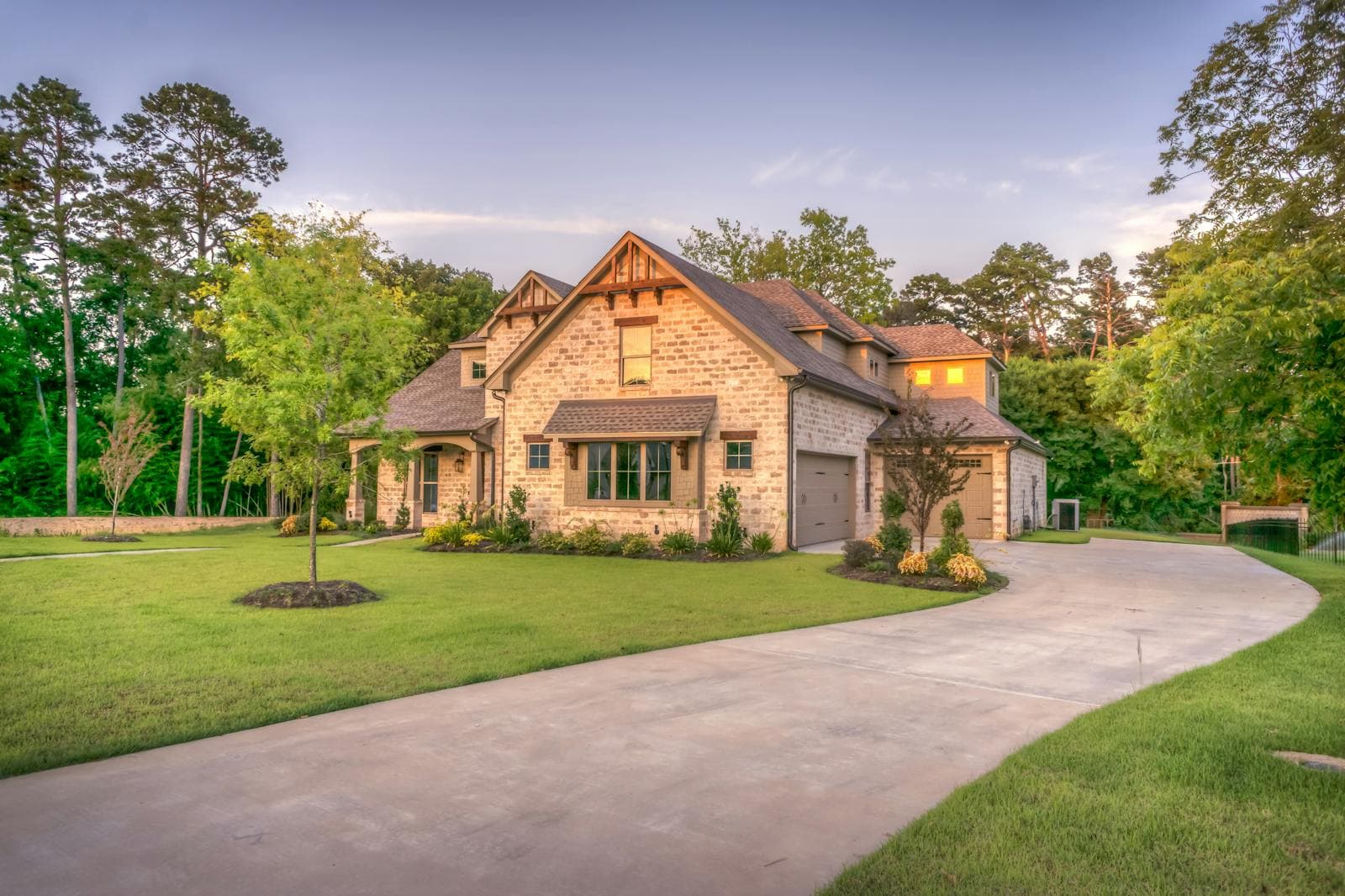
East Sacramento home maintenance -- along with Land Park and Curtis Park -- looks nothing like maintenance on a 1990s Natomas tract house. The bungalows, Tudors, colonial revivals, and craftsman cottages between Alhambra Boulevard and Riverside Drive were mostly built between 1910 and 1945, and their systems are aging into expensive failure at roughly the same time. Knob-and-tube wiring, galvanized supply lines, original redwood siding, single-pane double-hung windows, and post-and-pier foundations on expansive clay all need a maintenance plan tuned to pre-1940 Sacramento homes, not a generic seasonal checklist.
This guide walks East Sacramento, Land Park, and Curtis Park homeowners through the exact issues older Sacramento homes actually have, what each one costs to maintain versus replace, a realistic 5-to-10-year budget timeline, and the multi-service contractor angle that saves 15 to 25 percent on a narrow-lot historic home. Numbers reflect 2026 Sacramento-area pricing.
Why Older Sacramento Homes Need a Different Maintenance Plan
Most of the housing stock in East Sacramento (Fabulous 40s, McKinley Park, East Portal Park), Land Park (South Land Park, Hollywood Park, Curtis Park-adjacent streets), and Curtis Park itself dates to three waves of construction: the streetcar suburb boom of 1910 to 1925, the Depression-era infill of 1930 to 1939, and the post-war small-home expansion of 1945 to 1950. Building practices, code requirements, and materials from those eras are fundamentally different from anything built after 1970.
Per Sacramento County Assessor data, the median year built in the 95816, 95818, and 95819 ZIP codes sits in the late 1930s to mid-1940s, and a meaningful share of homes are pre-1930. That matters because:
- Electrical systems were designed for a fraction of today's load
- Plumbing was galvanized steel with a 40-to-60-year service life that is now 30 to 70 years past expected
- Siding, trim, and window sashes were old-growth redwood, cedar, and fir (better than modern wood, but still aging)
- Foundations were post-and-pier or unreinforced concrete with no seismic anchoring
- Insulation, if present, is mineral wool, vermiculite, or nothing at all
Chart: Pre-1940 Maintenance Cost by Category (Annual, Typical)
Issue-by-Issue: What Pre-1940 Sacramento Homes Actually Need
1. Knob-and-Tube Electrical Wiring
Knob-and-tube (K&T) was standard in Sacramento homes from roughly 1900 through the late 1940s. It's recognizable in attics as ceramic knobs and tubes with single rubber- or cloth-insulated conductors running through them. The system wasn't bad in its era, but three things make it a problem today:
- Ampacity is low (typically 15-amp circuits designed for lighting and a few small appliances; modern kitchens pull 40 to 60 amps)
- Insulation over K&T -- common after later blown-in insulation jobs -- creates a fire risk because K&T dissipates heat through open air
- Many insurers now decline homeowners policies with active K&T or add large surcharges
Maintenance reality: You can live with K&T for decades if it's not buried in insulation, but most East Sacramento and Curtis Park owners end up doing a partial or full rewire at some point. Partial rewire (kitchen and baths) in 2026 runs $4,500 to $9,000. Full rewire of a 1,600 square foot bungalow runs $14,000 to $26,000.
2. Galvanized Steel Supply Lines
Galvanized plumbing was the standard from the 1910s through the mid-1960s. It rusts from the inside, progressively narrowing the pipe ID until flow drops to a trickle at the worst fixture. Symptoms: low pressure upstairs, brown water on first-draw, pinhole leaks on horizontal runs, and green staining at fixtures from galvanic corrosion where copper meets galvanized.
Maintenance reality: Galvanized supply line service life is 40 to 60 years. In pre-1940 Sacramento homes, it's now 60 to 100+ years old. Full repipe with PEX or copper runs $6,500 to $16,000 for a typical Land Park or East Sacramento bungalow depending on fixture count, wall access, and whether the crew has to open plaster. Partial repipe of the two worst-performing branches is $2,500 to $5,500 and buys time.
3. Original Double-Hung Single-Pane Windows
A 1925 Curtis Park craftsman with original cord-and-weight double-hungs and period hardware is a feature, not a defect -- but the glazing putty, weatherstripping, and sash balance cords fail on a predictable schedule. The push from energy-efficiency contractors is to replace; the preservationist argument is that a correctly re-glazed and weatherstripped original window plus a storm window outperforms a cheap vinyl replacement and lasts another 50 years.
Maintenance reality: Re-glazing, re-cording, and re-weatherstripping a double-hung window runs $250 to $650 per window through a finish carpenter or experienced handyman. Adding a high-quality interior storm window is another $200 to $500. Replacement windows (vinyl or aluminum-clad wood) run $850 to $1,800 installed per opening. Over a 20-year horizon, restoration is often cheaper and retains resale value, especially in Curtis Park where the conservation district values original features. For interior paint decisions around original trim and sashes, the interior painting guide for Sacramento homes covers sheen and prep choices for plaster and lath walls.
4. Redwood and Cedar Exterior Siding
Original Sacramento siding -- tongue-and-groove redwood, clear cedar lap, or board-and-batten -- is better wood than anything available today, but it's also thin, shrinkable, and paint-dependent. South and west elevations in East Sacramento and Land Park take full afternoon sun for 6 to 8 months per year; paint failure on those walls is 2 to 3x faster than on north and east sides.
Maintenance reality: Plan on a full exterior repaint every 7 to 9 years for a well-maintained older home, with annual or biannual spot touch-ups on the worst-exposed walls. Rotted boards (usually at the base, near splash zones, or under failed gutter runs) are replaced board-by-board, not whole-wall. The right paint system, primer, and timing are in the exterior painting guide for Sacramento's climate.
5. Foundation Shifts on Central Valley Clay
Sacramento sits on expansive clay that swells in winter rain and contracts in summer heat. Over decades, this cycling moves unreinforced concrete and post-and-pier foundations. In East Sacramento, Land Park, and Curtis Park, common symptoms are: doors that stick in winter and swing freely in August, stair-step cracks in stucco and plaster at door and window corners, and separated baseboards or trim.
Maintenance reality: Most movement is seasonal and cosmetic. A licensed structural inspection once every 5 to 10 years (or before buying the home) runs $400 to $900. If real settlement has occurred, localized pier-and-beam re-leveling runs $4,000 to $12,000. Full foundation underpinning with push piers or helical piles runs $15,000 to $45,000 depending on perimeter footage and access. Keeping the perimeter grading correct, downspouts extended 6 feet from the foundation, and irrigation off the house wall prevents most issues from progressing. The spring home maintenance checklist for Sacramento includes the post-rain grade and drainage walk that catches early foundation stress.
6. Leaky, Undersized, or Detached Gutters
Older Sacramento homes often have gutters that were added or replaced in the 1970s or 1980s -- undersized 5-inch K-style aluminum hung on original wood fascia, with short or missing downspouts and no consistent extensions. Under old-growth East Sacramento oak canopy and Land Park sycamore, these fill fast and fail fast.
Maintenance reality: Clean gutters twice a year (late October before first rain, late January after peak leaf drop). Inspect for fascia rot at every seam and every downspout. Budget $250 to $500 per cleaning. Replacement with 6-inch seamless aluminum runs $1,800 to $4,800 for a typical single-story bungalow. Under dense canopy, gutter guards pay back in 3 to 5 years.
7. Termite Susceptibility
Subterranean termites and drywood termites both work Sacramento pre-1940 homes hard. Wood-to-soil contact around raised foundations, old porch posts, and garage thresholds gives subterraneans easy entry; drywoods infest attics and siding independently. Missed infestations eat structural sills, rim joists, and porch framing over years.
Maintenance reality: A section 1 and section 2 pest report from a licensed Sacramento PCO runs $125 to $300. Most insurers and lenders want a clear report before insurance renewal or sale. Spot treatment of localized infestation is $300 to $900; full structure fumigation (tenting) is $1,800 to $4,500. Budget for an inspection every 2 years and a treatment every 5 to 10 years.
8. Plaster and Lath Walls and Ceilings
Almost every pre-1950 Sacramento home has plaster-and-lath walls and ceilings, not drywall. Plaster is harder, denser, and more soundproof -- but it also cracks, sags, and detaches from lath over decades, especially around door frames and ceilings where seismic and thermal movement concentrates.
Maintenance reality: Small plaster cracks (hairline to 1/8 inch) are cosmetic and get patched every 5 to 10 years during interior paint cycles. Ceiling plaster that has "keyed off" the lath (tap test: hollow sound, visible sag) needs re-anchoring with plaster washers, not a full ceiling replacement. Budget $150 to $600 per ceiling for plaster re-anchoring; full tear-out and drywall replacement runs $2,500 to $5,500 per room and is rarely necessary unless water damage has destroyed the lath.
Chart: When Major Systems Typically Fail (Pre-1940 Homes)
Pro Tip
If you just bought a pre-1940 East Sacramento or Land Park home, order three things in the first 90 days: a section 1/section 2 termite inspection, a licensed electrician's walk of the attic for K&T and panel capacity, and a plumber's static pressure test of the supply lines. All three together run $450 to $900 and they surface 80 percent of the expensive surprises before they become emergencies.
Budget Timeline: What to Expect Across 5 to 10 Years
The trap with older Sacramento homes is treating them like a newer house -- a little paint, a gutter cleaning, and call it done. The better framing is a rolling 10-year capital plan where one larger item gets addressed each year so no single year becomes a $40,000 shock.
Year 1
- Full inspection package: section 1/2 pest, electrical, plumbing, structural walk
- Gutter cleaning (fall + late winter) and fascia inspection
- Exterior paint touch-ups on south/west elevations, worst trim first
- Typical spend: $2,500 to $5,500
Year 2
- Kitchen or primary bath refresh: paint, handyman repairs, hardware, fixtures (no structural)
- Handyman punch list: door adjustments, sticky windows, trim gaps, caulking
- Partial repipe of worst galvanized branch (kitchen or upstairs bath) if flow problems
- Typical spend: $4,000 to $9,000
Year 3
- Full exterior repaint (redwood/cedar siding, trim, soffits) + gutter repair or replacement in the same visit
- Bundling paint and gutters through one contractor is covered in one contractor for multiple projects in Sacramento
- Typical spend: $9,500 to $18,000
Year 4
- Electrical: upgrade panel to 200-amp if still on 100-amp, plus rewire kitchen and baths (most common K&T zones)
- Interior paint refresh in high-traffic rooms, plaster crack patching
- Typical spend: $7,000 to $14,000
Year 5
- Roof inspection and repair (comp shingle roofs in East Sacramento/Land Park typically need replacement around year 25 to 30)
- Window re-glazing and storm window install on original double-hungs (phased by elevation)
- Typical spend: $6,000 to $15,000
Years 6-10: The Bigger Projects
- Year 6: Full supply-line repipe (PEX or copper), if not done earlier -- $6,500 to $16,000
- Year 7: Full rewire if partial didn't cover it -- $14,000 to $26,000 (or phased over two years)
- Year 8: Roof replacement if not done -- $10,000 to $22,000 for comp shingle on a typical bungalow
- Year 9: Foundation leveling or underpinning if structural inspection flagged movement -- $4,000 to $45,000
- Year 10: Second full exterior repaint cycle + second gutter refresh -- $9,500 to $18,000
Total 10-year capital spend on a typical 1,600 square foot pre-1940 East Sacramento or Land Park home, assuming no catastrophic surprises: $70,000 to $150,000. That's $7,000 to $15,000 per year averaged -- not cheap, but far cheaper than buying equivalent square footage in a newer Sacramento neighborhood.
The Multi-Service Contractor Advantage on Older Sacramento Homes
Pre-1940 East Sacramento, Land Park, and Curtis Park homes are the single best use case for bundling projects through one multi-service Sacramento contractor. Three reasons:
1. The Projects Interact
On a newer tract home, paint is paint and gutters are gutters. On a 1928 bungalow, the exterior paint job reveals rotted fascia that needs to be replaced before gutters go back on, which reveals a stucco crack where the downspout used to leak, which needs stucco patch and a paint touch-up to close out. One crew owning the full sequence saves time, reduces finger-pointing, and gets the decisions right.
2. The Lots Are Narrow
East Sacramento and Land Park lots are typically 40 to 60 feet wide. There isn't room for three different trade trucks, three different staging areas, and three different dumpsters. One crew scheduled in phases uses the space cleanly and keeps neighbors sane.
3. Historic-Informed Decisions Matter
A crew that has worked on 30 Curtis Park craftsman homes will default to restoration of original trim and windows; a crew that hasn't will default to replacement, which often lowers resale value in the conservation district and costs more over 20 years. The full cost-benefit of bundling for an older-home exterior refresh is in exterior painting in Sacramento's climate, and the coordinated scope for turnover situations (if you're renting out a pre-1940 home) is in the rental turnover package for Sacramento landlords.
Pre-1940 Home Inspection & Punch List
ProFlow runs multi-service assessments on East Sacramento, Land Park, and Curtis Park homes: exterior paint condition, gutter and fascia audit, interior plaster and trim review, and a prioritized 5-year maintenance punch list tuned to pre-1940 Sacramento construction.
Book an Older-Home AssessmentNeighborhood-Specific Notes
East Sacramento (Fabulous 40s, McKinley Park, East Portal Park)
Old-growth valley oak and sycamore canopy over narrow streets, mostly 1920s to 1940s Tudor revival, Mediterranean, and bungalow. Top maintenance priorities: double gutter cleaning under canopy, tree limb management over roofs, original casement and double-hung window restoration, and stucco crack patching on Mediterranean-style homes. Permit work for exterior changes in conservation overlay areas should route through Sacramento Historic Preservation Commission review if substantial.
Land Park (South Land Park, Hollywood Park)
Wider lots than East Sacramento, mix of 1930s-1950s minimal traditional, Spanish revival, and ranch. Top maintenance priorities: redwood siding repaint cycles, foundation monitoring on expansive clay, and sewer lateral inspection (many Land Park cast-iron laterals are now 70+ years old and prone to root intrusion).
Curtis Park
Sacramento's oldest streetcar suburb, mostly 1910 to 1935 craftsman bungalow, colonial revival, and four-square. Top maintenance priorities: K&T electrical status (many homes still have it active), original double-hung window restoration (high resale sensitivity to preservation), plaster ceiling re-anchoring, and foundation grading. Curtis Park's Special Planning District has guidelines that can affect exterior work; check with City of Sacramento Community Development before major exterior changes.
What to Skip (or at Least Defer)
Older Sacramento homes attract upsells. A few common recommendations that often don't pencil out:
- Full window replacement to "save energy": Payback periods on replacing original double-hungs are usually 25+ years. Restore, weatherstrip, and add storm windows instead
- Whole-house insulation over active K&T: Creates a fire hazard. Either rewire first or leave the attic uninsulated until you do
- Complete plaster tear-out for "easier" drywall: Plaster outperforms drywall on sound and fire and retains resale value; patch and repair rather than replace
- Foundation underpinning before a structural engineer confirms movement: Seasonal door stick is not structural failure; get a licensed inspection first
- Pressure washing redwood siding: Damages soft wood and drives water behind the boards. Soft wash or hand-clean only
For year-round seasonal planning across older Sacramento homes, the Sacramento home maintenance checklist covers the month-by-month view and the spring home maintenance checklist covers the post-rainy-season punch list that catches most issues before summer heat arrives.
Bottom Line
East Sacramento, Land Park, and Curtis Park homes aren't maintained the same way as 1990s tract housing -- they're maintained on longer cycles, with different materials, and with a rolling 5-to-10-year capital plan instead of one-off reactive fixes. Budget $3,500 to $8,500 per year for ongoing maintenance, plan for one larger system project per year, and bundle exterior paint, gutter, handyman, and minor remodeling work through one Sacramento contractor who has done pre-1940 homes before.
Done that way, an older Sacramento home keeps its insurance, keeps its resale, and keeps its character -- instead of becoming the house on the block where every project costs twice what it should.