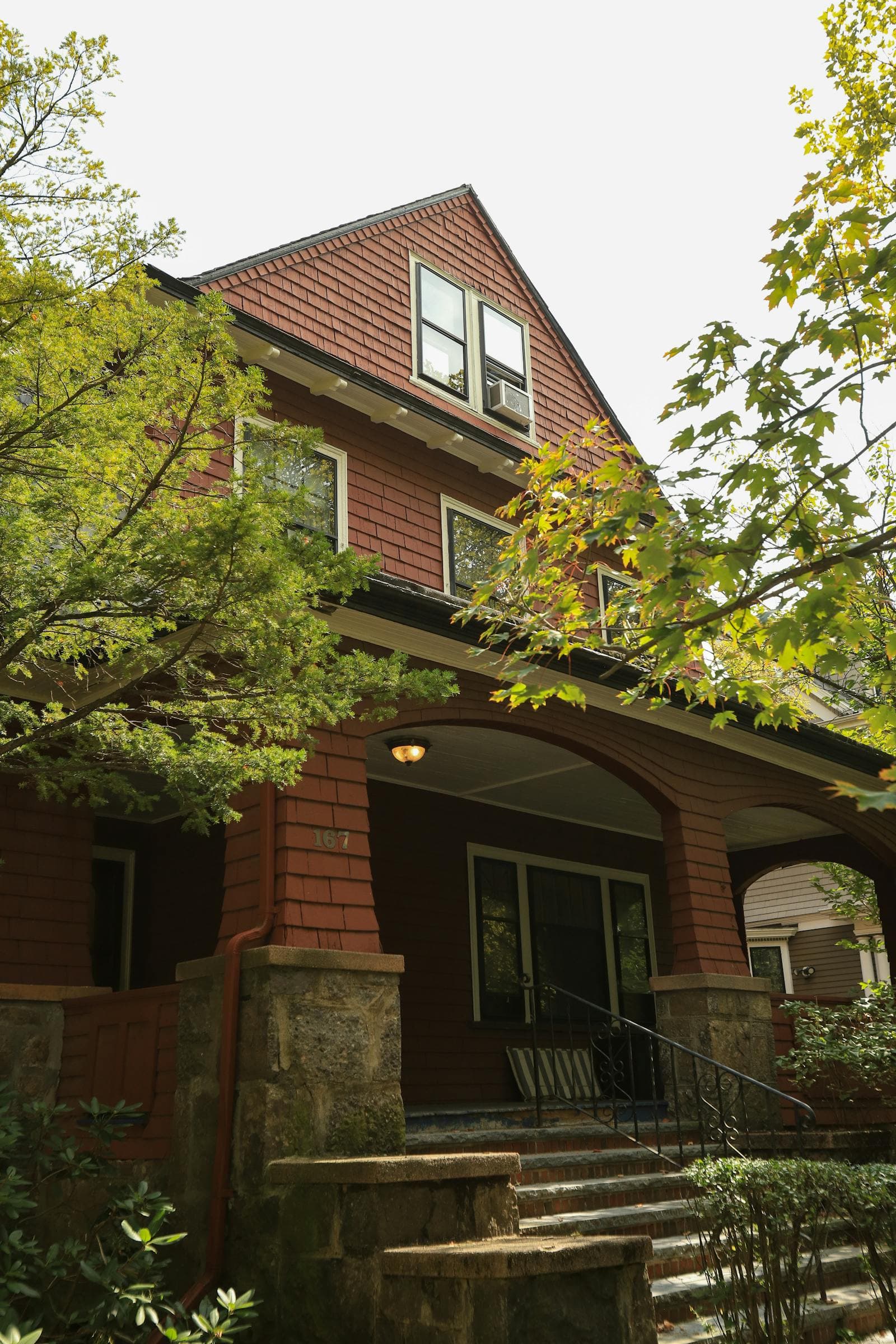
Older home repairs in Sacramento during the first year of ownership decide whether a 1925 Curtis Park craftsman, a Land Park Tudor revival, or an East Sacramento mid-century ranch becomes a long-term home or a money pit. The trick is sequencing -- inspections first, life-safety items second, exterior envelope third, interior finish work last -- so each trade builds on the prior one instead of redoing it.
This punchlist walks the full 12-month multi-trade plan: what to inspect in months 1 to 2, what emergency items to address in months 3 to 4, how to handle the exterior envelope in months 5 to 8, and what interior work fits in months 9 to 12. Numbers are 2026 Sacramento-area pricing for typical 1,400 to 2,000 square foot pre-1940 homes in East Sacramento, Land Park, and Curtis Park.
Why the First Year Matters Most
The first year in an older Sacramento home is when the surprises surface, when the prior owner's deferred maintenance becomes your problem, and when sequencing decisions either save 25 percent or cost 40 percent more. Most new owners make three avoidable mistakes:
- Skipping the post-purchase inspection package because escrow already had one (escrow inspections are surface-level, not multi-trade)
- Painting the exterior before fixing fascia rot or replacing gutters, then re-painting the same boards a year later
- Doing interior cosmetic work first, then opening walls 18 months later for a repipe or rewire and destroying the new finishes
The right approach is to spend the first 60 days learning what the house actually needs through a deeper multi-trade inspection, then sequence projects so each crew leaves the substrate ready for the next one. The new Sacramento homeowner checklist covers the broader 90-day move-in framework; this guide drills into the multi-trade sequence specific to pre-1940 homes.
Months 1-2: The Multi-Trade Inspection Package
Escrow inspections catch the obvious -- the active leak, the dead outlet, the cracked tile -- but they don't catch what makes older Sacramento homes expensive. The first 60 days should buy a deeper four-part inspection:
1. Section 1 and Section 2 Pest Report
A licensed Sacramento pest control operator inspects for active termite (subterranean and drywood), wood-destroying fungus, and dry rot. Section 1 lists active infestations needing immediate treatment; Section 2 lists conducive conditions (wood-to-soil contact, leaking gutters, sprinkler overspray on siding) that will cause future infestations. Cost: $125 to $300.
2. Licensed Electrician's K&T and Panel Walk
The electrician walks the attic with a flashlight, traces active circuits, identifies any knob-and-tube still energized, checks the panel for capacity and code compliance, and notes any junction boxes hidden in walls. Cost: $150 to $350. The output is a wiring map and a phased rewire estimate if needed.
3. Plumber's Galvanized Supply Line Test
The plumber runs a static pressure test, opens the worst-performing fixture for a flow rate measurement, inspects the supply lines visible at the water heater and under sinks, and identifies any cast iron drain runs near end of life. Cost: $150 to $300. The output is a repipe priority list -- which branches need replacement now versus which can wait three to five years.
4. Structural and Foundation Walk
A licensed structural engineer or experienced foundation contractor walks the perimeter, checks the crawlspace for sister joists and rim rot, inspects post-and-pier or unreinforced concrete foundations for movement, and reviews drainage and grading. Cost: $400 to $900. Most older Sacramento homes show seasonal movement, not active failure -- the inspector tells you which.
Pro Tip
Schedule all four inspections in the same two-week window so the reports cross-reference each other. A pest report that flags wood-to-soil contact at the porch posts plus a structural walk that calls out post-and-pier movement is the same problem in two reports -- and one repair, not two, fixes both.
Chart: First-Year Punchlist Cost Range by Trade Category
Months 3-4: Emergency Safety and System Items
Once the inspection reports are in, months 3 and 4 address whatever was flagged as life-safety or near-term failure. Cosmetic items wait. The five issues that almost always need attention on a pre-1940 Sacramento home:
- Active K&T circuits buried in insulation: Either disconnect the circuits or remove the insulation above them. Both create fire risk if left as-is.
- Galvanized supply branch with severe flow restriction: Partial repipe of the worst branch (kitchen or upstairs bath), $2,500 to $5,500. Buys 5 to 10 years before full repipe.
- Foundation grading and downspout extension: Re-grade soil 6 inches in 10 feet away from the foundation; extend all downspouts at least 6 feet out. $400 to $1,500. Stops the slow soil-saturation cycle that drives expansive clay movement.
- Section 1 termite treatment: Spot treatment for localized infestation, $300 to $900. Defer Section 2 conducive-condition fixes until the exterior phase in month 5+.
- Sticky doors and windows on bearing walls: Often a structural symptom, not a carpentry issue. If the inspection flagged movement, address it now; if it's seasonal cosmetic, defer to month 9+.
For the broader question of which fixes you can DIY versus which need a licensed pro, the DIY vs pro home repairs guide for Sacramento has the breakdown by trade.
Months 5-8: Exterior Envelope
Months 5 to 8 land in late spring through early fall in the Sacramento calendar -- the right weather window for exterior paint and gutter work. The order matters: fascia and trim repair first, then gutter replacement, then paint, then drainage finishing.
Exterior Paint and Trim Repair
Old-growth redwood and cedar siding on a Curtis Park bungalow or East Sacramento Tudor takes paint differently than modern fiber cement. The substrate is softer, more reactive to moisture, and requires longer dry times between prep and primer. Plan on a full exterior repaint every 7 to 9 years on a maintained pre-1940 home; partial repaints of south and west elevations every 3 to 5 years between full cycles. Cost: $5,500 to $14,000 for a typical single-story bungalow including prep, primer, two topcoats, and trim. The exterior painting guide for Sacramento's climate covers the paint system and timing.
Gutter Repair or Replacement
Older Sacramento homes typically have undersized 5-inch K-style aluminum gutters added in the 1970s or 1980s, hung on aging wood fascia. Under East Sacramento oak canopy or Land Park sycamore, those gutters fill, sag, and pull away from the fascia. Replace with 6-inch seamless aluminum on properly rebuilt fascia: $1,800 to $4,800 for a typical bungalow. Gutter guards pay back in 3 to 5 years under heavy canopy. Schedule gutter work after fascia repair but before paint so the new gutters get installed onto fresh substrate.
Drainage and Grading
Once gutters are right, finish the drainage. Extend downspouts 6+ feet from the foundation, install splash blocks or buried drain lines where the yard slopes back toward the house, and consider a French drain on chronic standing-water sides. The French drain cost guide for Sacramento covers the budget; for older East Sac, Land Park, and Curtis Park homes specifically, the older home maintenance guide covers the foundation-and-grading interaction in more depth.
Roof Inspection
A licensed roofer should inspect the roof in month 5 or 6, not just look at it from the ground. Composition shingle roofs typically last 20 to 28 years in Sacramento; if the home has a 22-year-old roof, plan for replacement in years 2 to 4 of ownership and budget $10,000 to $22,000. A roof that's mid-life gets minor repairs now ($400 to $1,200) and a deeper inspection in year 5.
First-Year Multi-Trade Punchlist
ProFlow runs coordinated first-year punchlists on East Sacramento, Land Park, and Curtis Park homes -- inspection package coordination, exterior paint and gutter sequencing, plaster and trim work, and a prioritized 5-year capital plan tuned to pre-1940 Sacramento construction.
Book a First-Year WalkthroughMonths 9-12: Interior Systems and Finish Work
The exterior envelope is dry, the gutters are right, and the worst electrical and plumbing items are addressed. Months 9 to 12 land in fall and winter -- the right window for interior work that benefits from sealed-up exterior conditions.
Lath-and-Plaster Repair
Almost every pre-1950 Sacramento home has lath-and-plaster walls and ceilings, and the cracks have stories. Hairline cracks at door corners are seasonal and cosmetic -- patch and paint over them. Stair-step cracks at door and window corners may be structural; cross-reference against the foundation report. Ceiling sag with hollow tap means plaster has detached from lath; re-anchor with plaster washers and structural adhesive at $150 to $600 per ceiling rather than tearing out and drywalling.
Trim, Baseboards, and Crown Molding
Original old-growth fir, redwood, or oak trim on a Land Park Tudor or Curtis Park craftsman is irreplaceable -- modern trim is finger-jointed pine that won't match. Repair, sand, and repaint original trim rather than replacing. Patch bullet holes, dog scratches, and prior-owner mistakes with two-part wood filler before paint. If you must add trim (new doorway, base shoe missing), match the profile through a Sacramento millwork shop -- the trim cost guide covers profile matching and pricing.
Interior Paint
Interior paint goes last for a reason: any plaster repair, trim work, or electrical patching has to happen first or the new paint gets damaged. Plan on full interior repaint of high-traffic rooms (kitchen, baths, hallways) in the first year and bedrooms over years 2 to 3. Pre-1950 plaster walls take primer differently than drywall -- use a stain-blocking primer over crack repairs and old water stains. The interior painting guide for Sacramento covers sheen and prep choices for plaster and lath walls.
Punch List Items
The last quarter is for the small stuff that accumulated through the year: door hardware that needs to be reset, switch and outlet plate replacement, cabinet hinge tightening, caulk renewal at tubs and counters, weatherstripping refresh, and the dozen tiny items every older home generates. Bundle them into a one- or two-day handyman visit at $400 to $900 per day rather than one-off calls.
Common Older-Home Archetypes in Sacramento
Tudor Revival (1925-1940)
Steep roof pitches, decorative half-timbering, casement windows, often stucco-and-brick exteriors. Common to East Sacramento Fabulous 40s and parts of Land Park. First-year priorities: stucco crack patching where the brick veneer meets stucco field, casement window re-glazing and weatherstripping, and roof inspection on the steep pitches that take more wear.
Craftsman Bungalow (1910-1930)
Low-pitched roofs, deep eaves, exposed rafter tails, original double-hung windows, redwood or cedar siding. Common to Curtis Park, McKinley Park (East Sac), and Hollywood Park (Land Park). First-year priorities: original double-hung window restoration (re-glaze, re-cord, weatherstrip) instead of replacement, K&T electrical assessment, and exterior paint with attention to deep eaves where moisture accumulates.
Mid-Century Ranch (1945-1965)
Single-story, low-slung, attached garage, picture windows, often original wood paneling or plaster interiors. Common to East Sacramento east of 50th Street, parts of Land Park, and Tahoe Park. First-year priorities: galvanized supply line replacement (these are now 60+ years old), original aluminum window replacement or interior storm panels, and roof inspection on flat or low-slope sections.
Sequencing Comparison Table (Idea)
A simple side-by-side helps owners visualize the cost difference between doing this in the right order versus the wrong order. Trade-by-trade, hiring separate crews and reactive scheduling typically runs 20 to 30 percent more than the bundled sequence below, plus adds 6 to 9 months of total project time.
- Right sequence (months 1-2): 4-part inspection package -- $825 to $1,850
- Right sequence (months 3-4): Emergency electrical, plumbing, foundation grading -- $4,000 to $13,500
- Right sequence (months 5-8): Fascia, gutters, exterior paint, drainage -- $7,300 to $19,500 bundled
- Right sequence (months 9-12): Plaster, trim, interior paint, handyman punch -- $1,500 to $6,000
- Wrong sequence (any order): Same scope, hired piecemeal -- $15,000 to $44,000+
The bundling math on coordinated multi-trade work is in one contractor for multiple projects in Sacramento, and the broader cost framework for paint plus gutters plus pressure washing in one visit is in the exterior home refresh cost guide.
What to Skip in Year One
Older Sacramento homes attract upsells, and year one is where overspending happens. Defer the following unless an inspection specifically requires them:
- Full window replacement on original double-hungs: Restore, weatherstrip, and add storm windows for one-third the cost and longer service life.
- Whole-house insulation over active K&T: Rewire first or skip the insulation; never blow cellulose over live K&T.
- Full plaster tear-out: Patch and re-anchor instead. Plaster outperforms drywall on sound and fire and retains resale value.
- Foundation underpinning before structural confirmation: Most door-stick and crack symptoms are seasonal, not structural. Get the inspection before committing $15,000 to $45,000 to underpinning.
- Pressure washing redwood or cedar siding: Damages soft wood and drives water behind the boards. Soft wash or hand-clean only.
- Kitchen or bath remodel in year one: Wait until repipe and rewire decisions are made. Remodeling first means tearing out new finishes for the inevitable plumbing and electrical work.
Bottom Line
The first year in an older Sacramento home is won or lost on sequencing, not on individual project quality. A 4-part inspection package in months 1-2 surfaces the real punchlist. Emergency electrical, plumbing, and foundation grading in months 3-4 stops the slow failures. Exterior paint, gutters, and drainage in months 5-8 close up the envelope. Plaster, trim, and interior paint in months 9-12 finish the inside. Total first-year spend lands at $12,000 to $35,000 on a typical pre-1940 East Sacramento, Land Park, or Curtis Park home -- 20 to 30 percent less than the same work done out of order through separate trades.
Done in the right order, the next 19 years are calendar maintenance instead of crisis management. Done in the wrong order, the same house generates emergency calls for the next decade.